
EnterosorbU
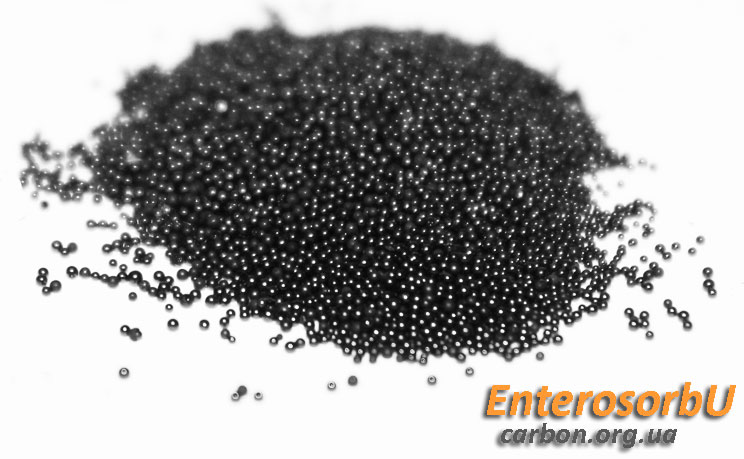
EnterosorbU is a family of highly pure activated carbons optimized for biomedical applications. Carbon adsorbents have been used in biomedical application since 1550 BC. Activated carbon is biocompatible and “Generally Regarded As Safe (GRAS)” by the FDA in the USA. The advantage of EnterosorbU compared to this conventional activated carbon is that the properties of EnterosorbU can be tuned for specific application.
EnterosorbU has the capability of adsorbing difficult-to-remove toxins from the somach, blood and other biological fluids. EnterosorbU sorbents have various applications including hemofiltration, enterosorbent, wound healing bandages, drug overdose and poisoning treatment.
We are interested in collaborating with industrial and academic partners to explore medical applications for EnterosorbU. This material can be used for decreasing toxicity of chemotherapy and ther toxic drug use. It also can be used in gerontology for cleaning bodies from toxins and keeping you young. Kidney and liver diseases are amoung other midical applications.
If you need help in selecting the right sorbent for your applications or are interested in partnering with us then please write us at sales@carbon.org.ua or call us at +380442332443.
What is activated carbon? Activated carbon is referred to porous carbon that undergoes through a process called activation. Activation process involves high temperature treating of already pyrolyzed carbon (often referred as char) using so called…
We can develop custom based activated carbon for food, water and air applications. We have the capabilities of acid washing and treating with different chemicals. We have capabilities for halogen purification of various carbon and…
EnterosorbU for hemosorbent applications is specifically designed to adsorb inflammatory mediators and cytokines to treat sepsis, a disease resulting from the body’s inflammatory response to severe infection. Sepsis affects over 20 million people worldwide each…
Activated carbons have been widely used for many decades in the pharmaceutical industry for removal of impurities from the active pharmaceutical ingredient (API) processes. The impurities are typically colored by-products, dissolved catalysts or other more…
Theophylline, also known as dimethylxanthine, is a prescription medication used to treat asthma and chronic obstructive pulmonary disease (COPD). Theophylline overdose can occur as a consequence of a single, large ingestion or as a result…
In 2006, about 2.5 million poison exposures were reported (8 per 1,000) in US with one poison exposure every 14 seconds (AAPCC Annual Report). Over 75% of reported poison exposures involve ingestion of a poisonous…