
Carbon-Ukraine - Equipment Manufacturing
Aquarium and pond
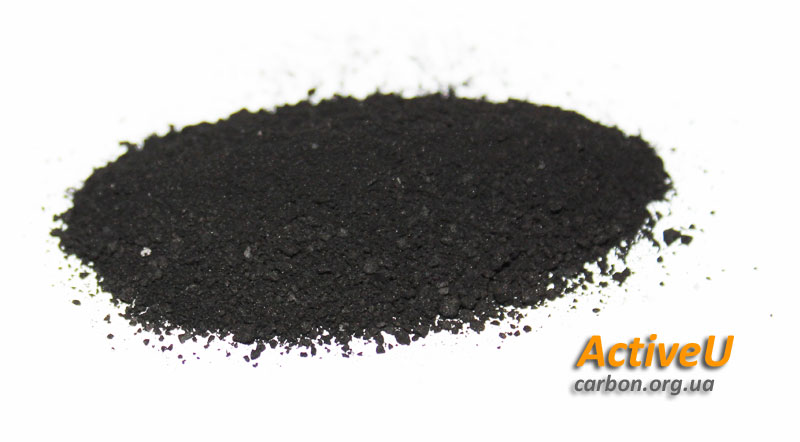
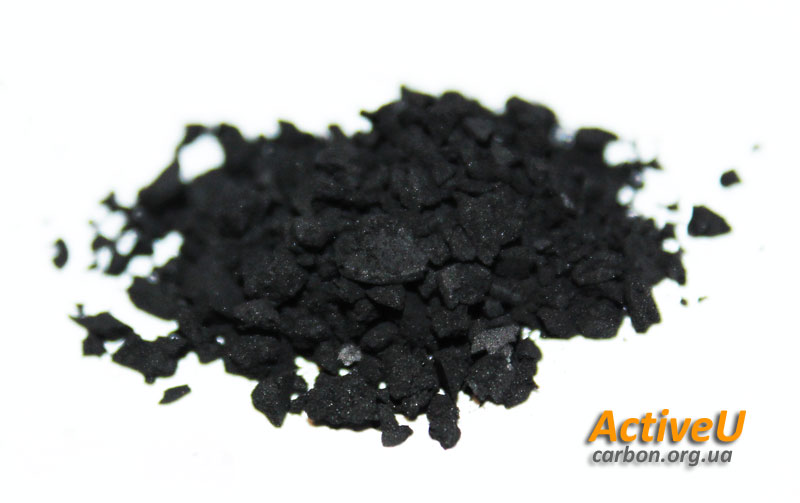
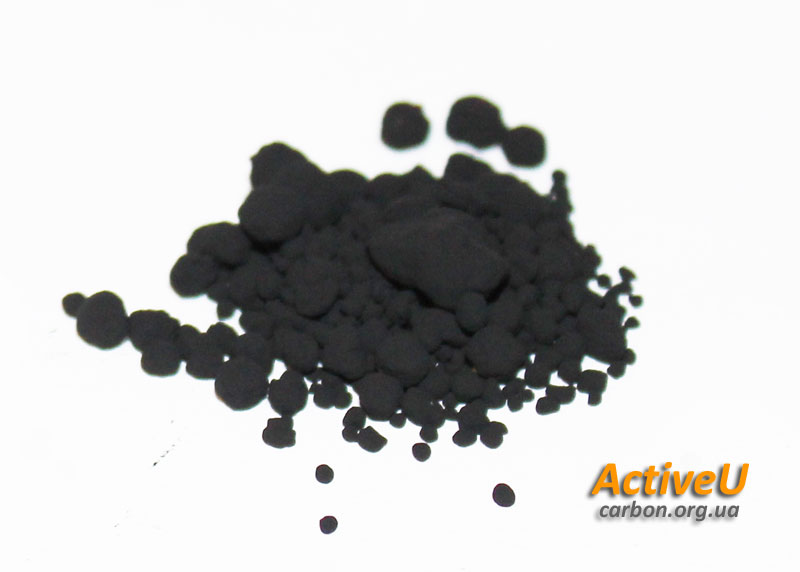
AquariumU, aquarium grade activated carbon is a highly active and is manufactured from coconut shell.The use of AquariumU helps in removing odors, organic pollutants, and toxic compounds.
AquariumU is NSF certified, a certification used to certify activated carbon’s use in drinking water purification. AquariumU is ideal for freshwater, marine and reef aquariums containing sensitive fish, plants and invertebrates.
We can help you determine the best grade of activated carbon for aquarium. Please call +380442332443 or email us at sales@carbon.org.ua.
 |
 |
 |
Water Softener
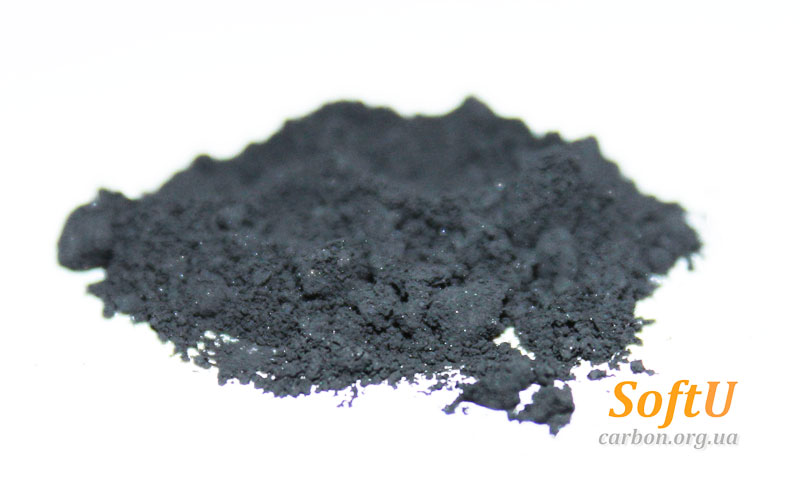
SoftU is granular activated carbon (GAC) media for use in water softener.
SoftU is coconut shell grade activated carbon and is effective for removing chlorine, radon, and volatile organic compounds including toluene, benzene, xylenes and more.
Our GAC media is available in 12 x 40, 8 x 30 and 4 x 10 mesh sizes. Our GAC filter media also removes chloramines and hydrogen sulfide. SoftU can be used as replacement media in commercial water softener.
Metal air batteries
SupercapU carbon materials are available specifically optimized for high performance in metal-air battery applications.
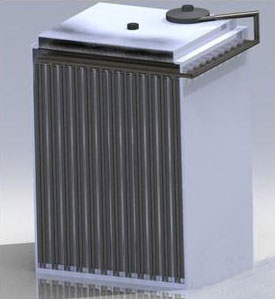 While metal-air batteries are an established technology, their use has historically been confined to low-rate applications due to limitations in available cathode materials and material supports.
SupercapU offers improved performance in metal-air batteries by reducing the carbon particle size down to nanometers, while maintaining high specific surface area. When micron-sized particles with only micropores are used, only a small fraction of the particle near the surface has high rate capability.
With hierarchical pore size distributions, more surface area has high rate capability, but there are still many regions which do not have high rate capability.
However, virtually all of the particle has high rate capability when the particle size is reduced to tens of nanometers, reducing the distance which oxygen must diffuse within the particles.
Capacitive desalination
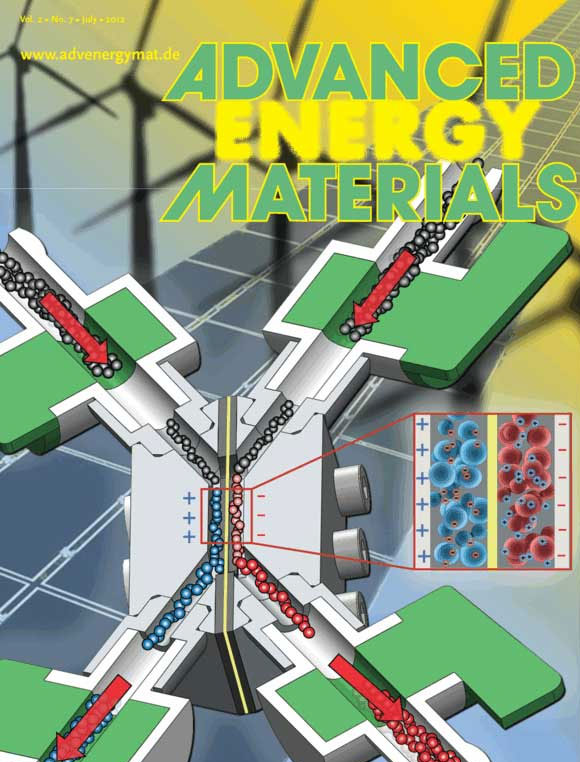 SupercapU offers improved performance in capacitive desalination over conventional activated carbons, owing to its higher salt sorption capacity during operation.
Capacitive desalination (also known as capacitive deionization and flow through capacitor) is a desalination technique which is attracting increasing interest, owing to its lower energy consumption than conventional desalination techniques.
Systems using capacitive desalination can also be made more robust and, potentially, at lower capital cost than membrane-based methods used today, such as reverse osmosis and electrodialysis.
The operation of a capacitive desalination unit is shown in the figure to the right. During operation, water flows through the device, which has two porous carbon electrodes held at a voltage, and ions are attracted to oppositely charged electrodes. This removes the ions from the solution, creating purified water. When the electrodes are saturated, the potential can be released, allowing the ions to be released into a concentrated solution.
Supercapacitors
Supercapacitor’s energy density is maximized when the pore size of the carbon material matches the size of the ions within the supercapacitor electrolyte. Because of the narrow pore size distribution of our electrode materials combined with a high surface area, we can offer high-performance materials optimized for different electrolyte system of interest. In addition, SupercapU can be produced with high bulk density (around 0.7 g/cc in electrode sheet form), enhancing device energy density. SupercapU is also available in high purity (<0.5% ash) for good cyclability.
FAQ
What is thermal desorption?
Thermal desorption (TD) is a sample preparation method for gas chromatography (GC) and/or mass spectroscopy (MS) used for analysis of trace levels of organic compounds (analytes). TD is particularly useful for detection of volatile and semi-volatile organic compounds (VOCs and SVOCs). Typically, sample gas is passed through a column packed with an adsorbent which is heated in the flow of inert gas. This results into the extraction of analytes from the sample which can be rapidly transferred to a detector or analyzer like GC or MS.
What is VOCx?
VOCx is a family of highly pure hydrophobic carbonaceous adsorbent materials. The carbon adsorbent packed in the columns contains zero impurities. VOCx has wide range of analytical applications, including air sampling & monitoring (indoor, outdoor, workplace, automobile interior, etc.), breath analysis, and the analysis of trace constituents in foods, flavors, cosmetics, tobacco, building materials, pharmaceuticals, and consumer products.
What does VOCx family consist of?
VOCx is available as graphitized carbon black (VOCX-GCB series) and carbon molecular sieves (VOCX-CMS series) and offered in a variety of pore sizes (6 to 300 Angstrom), surface area (5 to 2000 m2/g) and particle sizes (20/40, 40/60, 60/80 and 120/400 mesh). VOCx offers adsorbents for chemical and biological defense application as well. This porous, high surface area carbon has improved sorption capacity and selectivity that can be easily used in high humid conditions. VOCx also comes in metal impregnated and metal carbide – porous carbon composite forms for catalytic application. VOCx is also available for purge and trap applications.
How is VOCx different from other sorbents used in thermal desorption?
Our technology enables us to readily manufacture sorbents with your desired characteristics. We can control our carbon’s pore size, surface area, surface chemistry and particle size.
Do you sell VOCx as bulk adsorbent or packed in TD tubes?
VOCx is available in both forms. We offer both glass as well as stainless steel packed TD tubes. The glass tubes are made of high quality borosilicate glass. VOCx is packed and kept in place in these tubes with silanized glass wool on either side. The stainless steel TD tubes are made of passivated stainless steel 316L to ensure that they are clean and free of any contaminants. The sorbent is secured in tubes with stainless steel mesh. We offer both single as well as multi-bed TD tubes. The tubes are inspected to meet highest quality standards. We test the tubes in house for any back pressure drop. The tubes are purged with helium and only the tubes with the back pressure of less than 150 mm Hg (3 psi) at flow rate of 500 ml/min are selected for shipping to our clients. Our tubes come preconditioned and ready to use. The bulk sorbent is available in 1, 5 and 10 gram quantity. Please email us at sales@carbon.org.ua for larger quantities.
Can you custom make a sorbent for specific application?
While we offer the sorbent materials that are equivalent to available sorbents in the market we do understand the customers need. We regularly produce customized tubes as well as sorbents for the clients for the specific applications. Please see our sorbent selection guide that provides a cross-reference to our equivalents for commonly used carbon sorbents.
VOCx is not only pure carbon sorbent but is also thermally stable. VOCx offers excellent thermal stability with a service temperature of up to 400oC. VOCx has low friability and good mechanical integrity which gives improved anti-clogging properties. This allows analytes to release rapidly and gives improved peak shape and resolution. It also allows easy re-packing of TD tubes. VOCx is highly hydrophobic sorbent that maintains the ability to adsorb and release a wide or narrow range of VOCs.
Yes, please contact us for free samples.
There are no articles in this category. If subcategories display on this page, they may contain articles.
Hydrocarbon Sampling
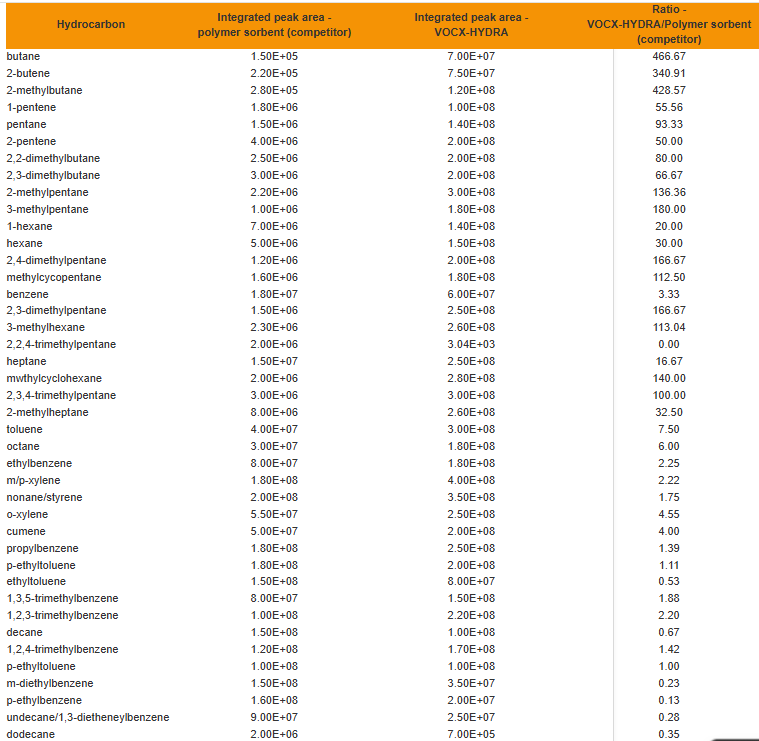
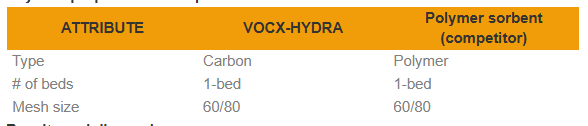
The ability to adsorb wide range of volatile organic compounds (VOCs) present in low concentrations is critical to sampling of hydrocarbons. The plot below compares the performance of our VOCX-HYDRA – a porous carbon adsorbent based single bed trap (referred as “VOCX-HYDRA” in the plot below) with a commonly used porous polymer adsorbent based single bed trap (referred as “Polymer sorbent (competitor)” in the plots below). The test was done by an independent laboratory specializing in hydrocarbon sampling. Porous polymer based adsorbent are used most commonly in sampling of gases consisting hydrocarbons. They have a wide volatility range, are hydrophobic, and are considered in gas sampling applications in areas of high humidity. However, polymer adsorbents can decompose, releasing toluene, benzene, benzaldehyde, acetaphenone, benzophenone, other aldehydes, and ketones, when it is heated for desorption, resulting in a number of artifacts being observed in supposed blank samples.
Results and discussions
VOCX-HYDRA outperforms polymer sorbent (competitor) across a broad range of hydrocarbons VOCs. VOCX-HYDRA adsorbs from C4-C10 hydrocarbons in a fairly uniform fashion, while polymer sorbent (competitor) performance drops off below C7.
Features
1. Detection of broad spectrum of hydrocarbons present in low concentration: VOCX-HYDRA can adsorb wide range of hydrocarbons as compared to polymeric sorbent of our competitor.
2. Ability to work in high moisture environment: Water is a ubiquitous atmospheric contaminant which adversely affects gas sampling; atmospheric moisture which binds to a sorbent used in gas sampling prevents the adsorption of the desired VOC’s. In contrast to other sorbents, VOCX-HYDRA is highly hydrophobic while maintaining the ability to bind to majority of hydrocarbons.
3. Highly pure sorbent: VOCX-HYDRA is a highly pure carbonaceous sorbent with a purity of over 99.9%. VOCX-HYDRA has negligible sulfur content unlike sorbents from our competitors.
4. Ability to work at higher temperature: VOCX-HYDRA can be heated to higher temperatures (up to 400oC), speeding up desorption. High desorption temperature allows release of compounds that are strongly attached to the sorbent.
5. Easy packing of tubes: VOCX-HYDRA has high particle endurance (low friability). This makes the filling of tube “less messy” ensuring a long service life in applications where it is subjected to mechanical wear.
Other applications
Our sorbents can be used for a variety of thermal desorption (TD) related applications. TD is a widely used technique for extracting and isolating VOCs from various sources. It is often used for air monitoring (indoor, outdoor, workplace, automobile interior, breath, etc.) and is a valuable tool for the analysis of polymers, packaging materials, foods, flavors, cosmetics, tobacco, building materials, pharmaceuticals, and consumer products. Indeed, almost any sample containing VOCs can be analyzed using some variation of the TD technique. The TD market is divided into following applications:
(I) Process Control: Process control involves the monitoring of manufacturing processes to ensure quality control and consistency in manufacturing operations. For example, chemical detection can be used by pharmaceutical, food processing and petrochemical companies to monitor manufacturing processes and react when inconsistencies are identified.
(II) Health and Safety: Health and safety detection systems are intended to protect personnel occupying industrial facilities from hazardous chemicals. There is a known deficiency with existing sensors in industrial environments with respect to the simultaneous detection of multiple gases and the detection and concurrent identification of specific substances.
(III) Emissions Monitor – monitor the emission of harmful industrial gases into the atmosphere that may damage the environment; detection of toxic industrial compounds – test for the release of toxic compounds, monitor decontamination efforts and confirm effective remediation of the chemical agent.
(IV) Diagnostic Instrument – analysis of breath or bodily fluids for non-invasive diagnosis or monitoring of disease; treatment monitor – analysis of breath for non-invasive monitoring of treatment efficacy and progress; and anesthesia and respiratory monitor – detect exhaled anesthesia agents and other relevant indicators in the breath to minimize the response time of clinicians to vital signs.
(V) Homeland Security – The chemical detection market for homeland security has not slowed down despite a lull in terrorist activity. Chemical sensing, while showing the greatest potential and garnering much of the attention in homeland defense, has primarily been the domain of the military and first responders, leaving the general public and most government facilities unprotected. Rising concerns about chemical and biological terrorist attacks on military and civil targets have prompted the U.S. Government to authorize massive spending on test and evaluation (T&E), services, and procurement of chemical detection equipment. The Federal Government is the single largest spender on threat detection equipment, with departments such as the Department of Defense (DOD) and the Department of Homeland Security (DHS) installing detection systems in sensitive areas.
There are no articles in this category. If subcategories display on this page, they may contain articles.
Sorbent Selection Guide
The table below provides a cross-reference to find our equivalents for commonly used carbon sorbents.
| ADSORBENT TYPE | ANALYTE SIZE | HydrophobU | SUPELCO | SKC | GRACE |
| GRAPHITIZED CARBON BLACK | C3-C9 | GCB-C, GCB-D | Carbotrap/Carbopack X, Carbopack Z | – | Carbograph 5 |
| C5-C12 | GCB-C, GCB-D | Carbotrap/Carbopack B | Anasorb GCB1 | Carbograph 1, Carbograph 4 | |
| C12-C20 | GCB-B | Carbotrap/Carbopack C, Carbotrap/Carbopack Y | Anasorb GCB2 | Carbograph 2 | |
| >C20 | GCB-A | Carbotrap/Carbopack F | – | Carbograph 3 | |
| CARBON MOLECULAR SIEVES | C2-C5 | CMS-A, CMS-B | Carboxen 564, Carboxen 564, Carboxen 1000, Carbosieve SIII, Carboxen 569, Carboxen 572, Carboxen 1001, Carboxen 1012, Carboxen 1003, Carboxen 1018, Carboxen 1021 | Anasorb 347 | – |
| C3-C9 | CMS-C | Carboxen 1016 | – | – |
Notes:
1. Carbopack®, Carbotrap®, Carbosieve® and Carboxen® are trademarks of Sigma-Aldrich Biotechnology LP and/or Sigma-Aldrich Co.
2. Anasorb® is trademark of SKC Inc.
3. Carbograph® is trademark of Grace Davison Discovery Sciences.
Formaldehyde detection
There is growing awareness of monitoring the formaldehyde level in the atmosphere. Formaldehyde is considered as a carcinogen. Sources of formaldehyde includes some manufactured wood products used as building materials, in cabinets, and in furniture (e.g., medium density fiberboard, particle board, plywood with urea formaldehyde resin, urea formaldehyde foam insulation and tobacco smoking; ozone-initiated chemical reactions with common indoor VOCs, and unvented combustion appliances.
Given the seriousness of problem caused by the presence of formaldehyde even in lower concentration, it would be ideal to detect the amount of formaldehyde using a direct method such as conventional thermal desorption technique. However, the challenge lies in adsorption of formaldehyde by an adsorbent. Most sorbents including silica and carbons are poor adsorbers of formaldehyde, particularly when formaldehyde is present in low concentration (< 100 ppm). We recently developed a carbon based sorbent specifically designed for detection of formaldehyde using conventional thermal desorption technique.
Customized products
Need help determining which material best suits your application? Please email us at sales@carbon.org.ua. While companies using porous carbon can choose from hundreds of off-the-shelf commodity products, Carbon-Ukraine offers a new option: carbons whose properties are rapidly tuned for a specific application. We are interested in partnering with end-users to develop carbons specifically tailored to meet their needs. Normally, when developing materials for a new application we will begin by thoroughly studying the underlying technology and the key materials properties required.
Once we have an understanding of the materials properties required, we can provide small quantities of material for evaluation. Based on the results of your evaluation, we can provide additional samples to further optimize our materials for your application.
Chemical and Biological Defense
The need for versatile, rapid, low cost environmental monitoring of high volatility toxic gases for defense and industrial accident protection has increased dramatically in recent years due to growing concerns over terrorism and chemical agents use in warfare. Our sorbents can be used as a direct replacement of sorbents currently used in thermal desorption systems. HydrophobU is a special sorbent with improved sorption capacity and selectivity, which can be used to reduce the weight, size, power consumption, and physical or logistical burden of protective systems. Our adsorbents show potential for use in chemical defense applications, atmospheric gas sampling, as well as industrial protection applications.
Adsorbents for these applications need extremely high adsorption capacity for a wide spectrum of high volatility toxic industrial chemicals (TICs) at trace concentrations, while simultaneously retaining the ability to work in humid conditions.
In addition to regular powder based adsorbents, we have the capability of making sorbents in variety of form factors such as sheets, foams, fibers, etc. We can also customize sorbents. Furthermore, our sorbents can be used to increase filter and gas mask efficiency to meet emerging threats. Our adsorbents can improve protective systems for both filtration and percutaneous protection. If you are interested in evaluating our sorbents, please send an email to sales@carbon.org.ua. We also offer metal impregnated carbon and high surface area metal carbide – porous carbon composite (WC/C, Mo2C/C, etc.) to increase the adsorption efficiency of high volatility TICs.
Graphitized carbon black
Our graphitized carbon black has a moderate surface area (5 to 300 square meters per gram) and is equivalent to Carbotrap® and Carbopack®. This sorbent has proven to be valuable for adsorbing and releasing intermediate to high volatility compounds in atmosphere containing high levels of humidity.
Carbon molecular sieves
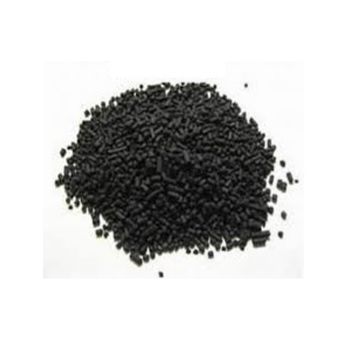 We provide a wide range of carbon molecular sieves (CMS) that is of high purity and hydrophobic.
You can select CMS based on the pore size need you might have.